.svg)
.svg)


A trip to Vaishno Devi is not just travel, it is a spiritual journey that brings peace and hope. Many visitors come from across India every year to seek blessings from Mata Vaishno Devi
But before you plan, it is important to know when to visit and where to stay for a comfortable and safe experience.
Understanding the Weather in Katra
Katra is the base town for the Vaishno Devi temple. The weather here changes with every season. Summers, from March to June, are warm and pleasant. The temperature usually stays between 25°C to 35°C, which makes it easy for walking and climbing to the temple.
Monsoon starts from July to September. During this time, Katra receives moderate to heavy rainfall. The hills become green and beautiful, but the roads can be slippery. If you plan during this time, carry raincoats and proper shoes.
Winter, from October to February, is cool and peaceful. The temperature can drop to 5°C, especially in December and January. This is also one of the best times to visit Vaishno Devi because the crowd is smaller and the view of the snow-covered hills looks amazing.
Best Months to Visit Vaishno Devi
If you like mild weather, plan your trip between March and May or October and November. These months have a good balance of weather and crowd.
Read More: NapTapGo Noida Affordable Pod Hotel Trusted by Guests
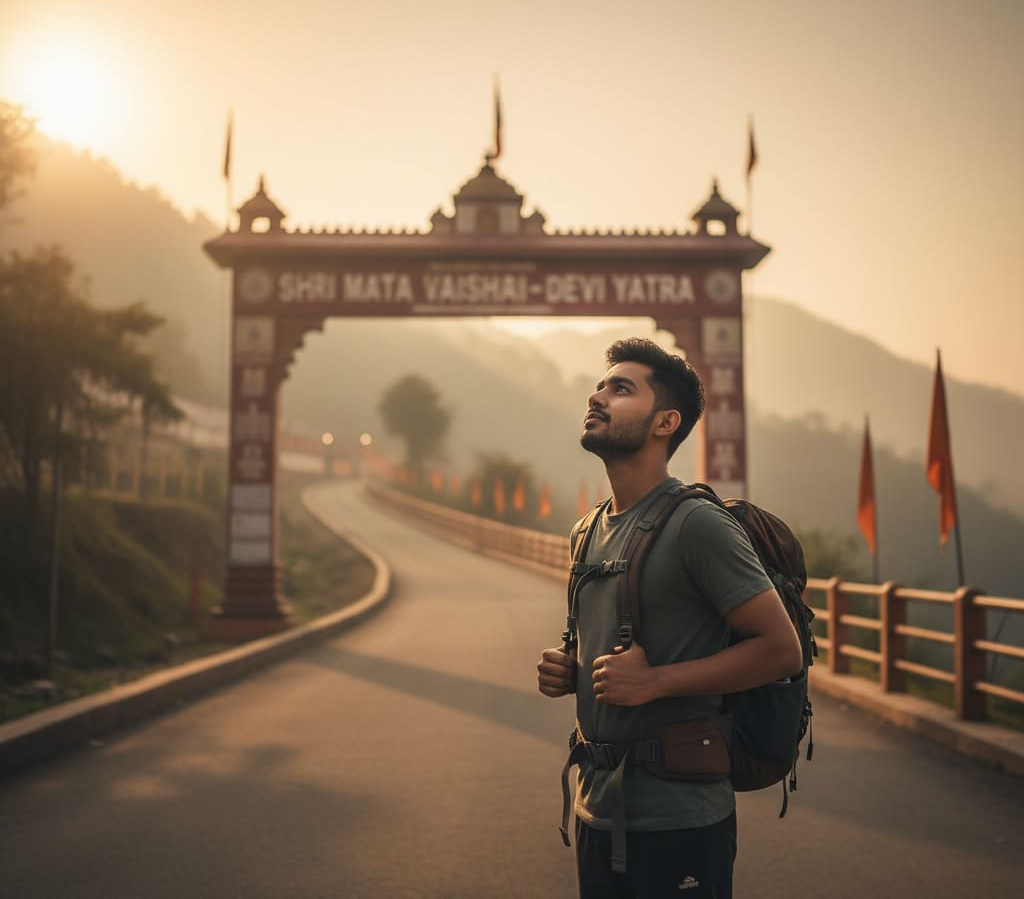
For devotees who want to experience the holy energy during festivals, Navratri (March–April and September–October) is a special time. During Navratri, the entire Katra town is decorated with lights, and the temple area is full of positive energy. If you prefer a calm visit, the winter months are best, but carry warm clothes.
Why Staying in Katra Matters
After the long journey to the temple, every traveler needs a comfortable stay to rest. Katra has many hotels, lodges, and guesthouses for every budget.
If you are looking for clean rooms and peaceful surroundings, NapTapGo Hotel Katra offers a simple and cozy stay experience. Many travelers choose NapTapGo because it provides easy access to the bus stand and temple area, along with a calm environment to relax after darshan.
How to Plan Your Trip
Book your Yatra Parchi (entry pass) in advance from the official Vaishno Devi Shrine Board website or counter. Carry light luggage and comfortable shoes. Keep a bottle of water and small snacks while walking.

For better convenience, many visitors stay one night in Katra before or after the temple visit. You can plan your stay at NapTapGo Hotel Katra, which is a good choice for short and peaceful stays.
Tips Before Visiting Vaishno Devi
- Avoid visiting during heavy rains in July and August
- If you are traveling with elders, book a pony or palki for the climb
- Keep identity proof and your Yatra slip safe during travel
- Check Katra temperature before planning your trip
Conclusion
The best time to visit Vaishno Devi depends on what you prefer. Whether it is the cool air of winter or the festive vibes of Navratri, every season offers a special experience. Plan smartly, choose a peaceful stay in Katra like NapTapGo, and enjoy your spiritual journey with comfort and ease.
FAQs
Q1. What is the best time to visit Vaishno Devi Temple?
March to May and October to November are considered the best months to visit due to pleasant weather and fewer crowds
Q2. How far is Katra from Vaishno Devi Temple?
The temple is around 13 kilometers from Katra. Pilgrims can walk, take ponies, or use helicopter services.
Q3. Can I visit Vaishno Devi during monsoon?
Yes, but it is better to check weather updates because roads can be slippery.
Q4. Where can I stay in Katra?
There are many hotels near the bus stand and railway station. NapTapGo Hotel Katra is a comfortable and affordable option for short stays.
Q5. What should I pack for the trip?
Carry comfortable shoes, a light jacket, an umbrella, and essential medicines.